
The narrative that Africa’s economic problems are solely due to internal corruption and mismanagement is a misleading oversimplification that has persisted for too long.
While these factors undoubtedly play a role, the reality is far more complex and insidious. The true picture is one where illicit financial flows (IFFs) act as a relentless drain, siphoning wealth from Africa and hindering its progress towards sustainable development.
Illicit financial flows (IFFs) do not take a single form; they present a triple threat emerging through corruption, criminal activity, and, most alarmingly, entrenched commercial practices. Multinational corporations engage in aggressive tax avoidance, manipulate transfer pricing, and exploit loopholes in international trade agreements, all of which enable the systematic extraction of wealth from African nations. Yet, despite the scale of this challenge, notable progress has been achieved in recent years.
This progress is largely attributable to three key elements: the emergence of bold, evidence-based research that has shed light on the scale and scope of IFFs; the expert leadership of individuals and organizations dedicated to combating financial crime and promoting transparency; and the invaluable wisdom and guidance of influential figures who have championed the cause of financial justice for Africa on the global stage. These combined efforts have helped to raise awareness, build capacity, and galvanise political will to address the problem.
However, the struggle is far from over. One of the most pressing challenges remains the recovery of stolen funds and frozen assets that have been illicitly moved out of Africa. All too often, these billions of dollars end up seized by Western countries, where they are held indefinitely, never reaching the people from whom they were stolen. This situation represents a grave injustice, as these funds could be used to finance critical development projects and improve the lives of millions of Africans.
One potential solution to this problem is the use of secure escrow accounts independent, third-party bank accounts where frozen assets can be held securely, preventing political interference and ensuring that the funds are not misused by the countries holding them. While some Western countries have begun to explore this approach, the implementation of escrow accounts has often been hampered by bureaucratic complexities and a lack of political will.
It is crucial to recognise that IFFs are not an isolated problem; they are deeply intertwined with global power structures and economic inequality. The concentration of wealth in the hands of a few, the erosion of democratic institutions, and rising insecurity all contribute to a global environment in which IFFs can thrive. In this context, Africa’s voice is often marginalised, making it more difficult for the continent to assert its interests and demand meaningful reforms.
The growing disengagement of powerful nations from international cooperation further isolates Africa and hinders the development of effective partnerships for reform. As major powers turn inward, reducing foreign aid and weakening multilateral institutions, it becomes increasingly difficult for African nations to address the challenges posed by IFFs.
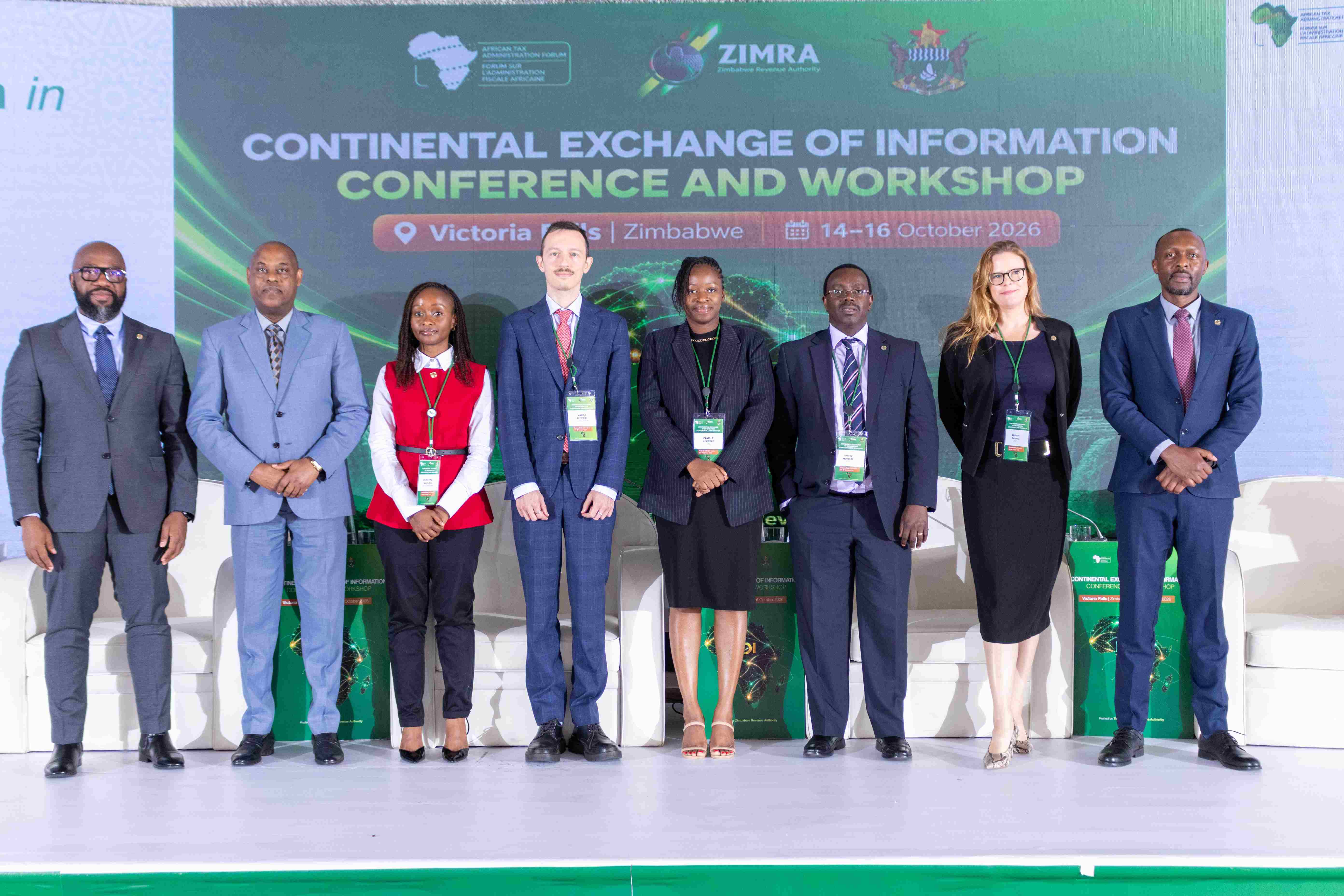
Despite these headwinds, hope remains. It is visible in the energy and determination of fellow panelists, civil society leaders, and young advocates who are committed to fighting for financial justice. This energy fuels a necessary fight, one that demands unwavering commitment and collective action.
The battle against IFFs is ultimately about sovereignty and justice. It is about enabling African nations to control their own resources, fund their own development, and build a better future for their citizens.
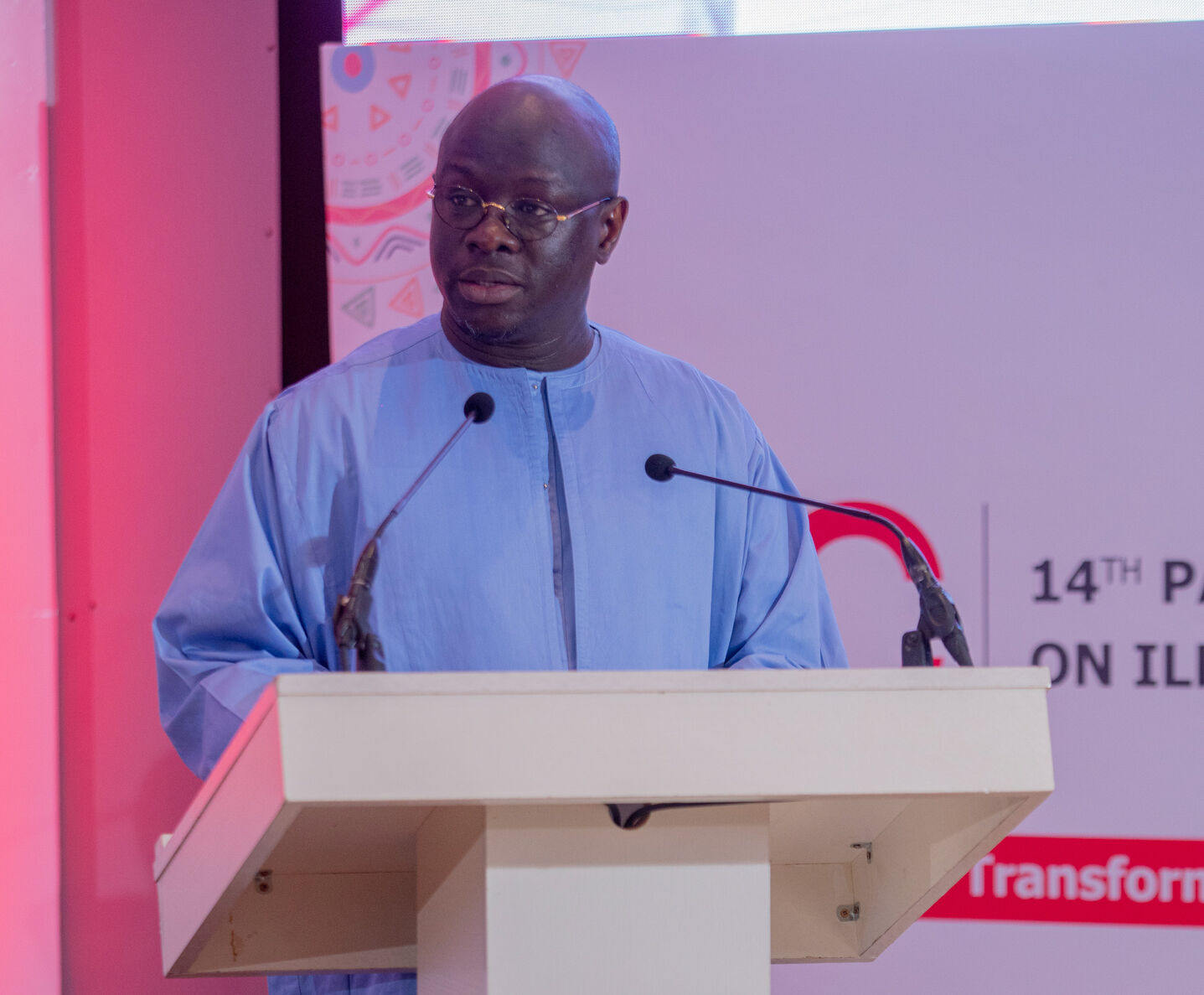
The writer of this article is Mr. Raymond Baker, a Member of the High-Level Panel on IFF from Africa
