
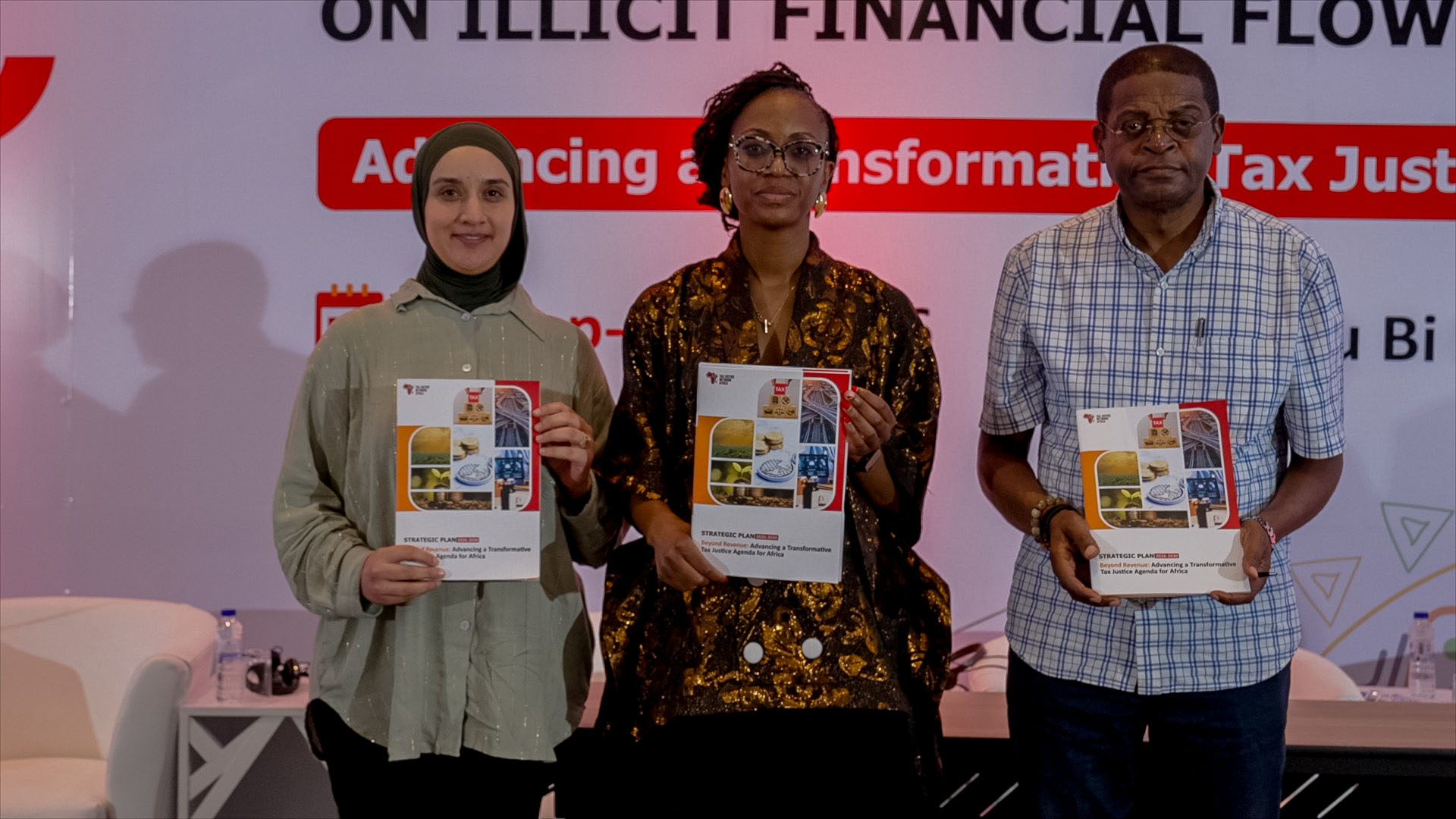
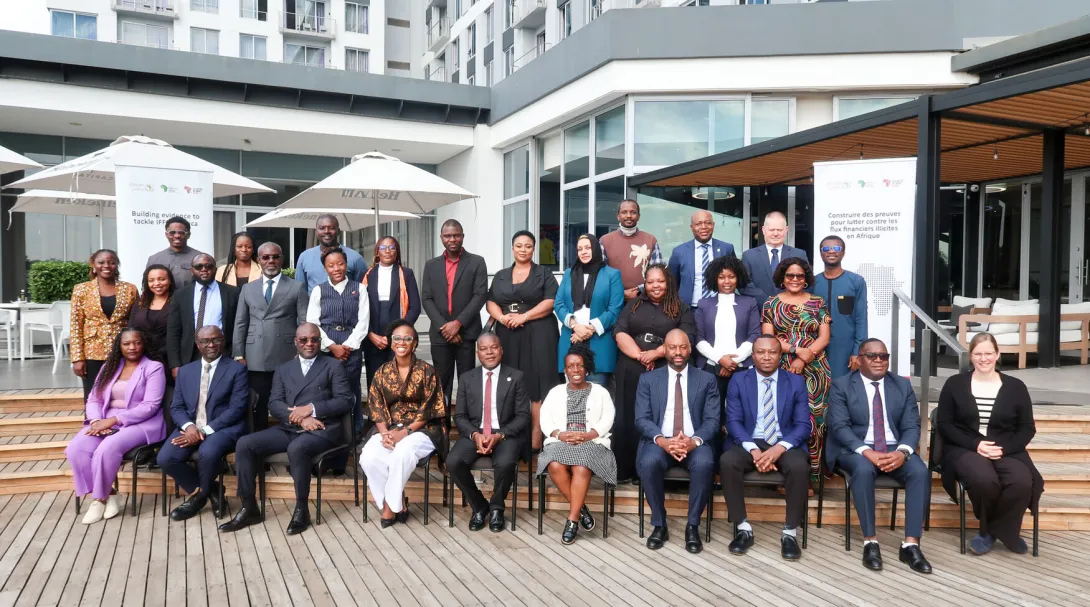
Representatives from six pilot countries, regional institutions, development partners, and technical experts convened in Johannesburg, South Africa, on 9–10 June 2026 for the Anti-IFFs Policy Tracker stocktaking meeting, marking a significant milestone in Africa’s efforts to strengthen responses to illicit financial flows (IFFs).
Convened by Tax Justice Network Africa (TJNA), the African Union Commission (AUC), and the African Tax Administration Forum (ATAF), the meeting provided a platform to reflect on lessons from the pilot phase of the Anti-IFFs Policy Tracker, refine the tool, and agree on a practical roadmap for its rollout across African countries. The gathering brought together representatives from Namibia, Uganda, Ghana, Côte d’Ivoire, Liberia, and Zambia, the six countries that participated in the pilot phase of the initiative.
Africa continues to lose an estimated US$88.6 billion annually through illicit financial flows, undermining domestic resource mobilisation efforts and limiting governments’ ability to finance development priorities, strengthen public services, and advance Agenda 2063 and the Sustainable Development Goals. Developed as an African-owned self-assessment and monitoring framework, the Anti-IFFs Policy Tracker supports countries in evaluating the strength and maturity of their policy, institutional, data, and inter-agency cooperation systems for combating tax-related illicit financial flows.
Opening the meeting, Ms Luckystar Miyandazi, Tax and Domestic Revenue Mobilisation Adviser representing the African Union Commission, described the gathering as an important opportunity for reflection, peer learning, and continuous improvement.
“This is a reviewing process and an exchange of ideas where we finally have a rest and evaluate what we have learned from the tracker and identify what we want to take forward when it comes to implementation at the national level. It is also a reflective process where we want to hear your recommendations and learn from the experiences of other countries,” she said.
Ms Miyandazi reiterated the African Union’s commitment to supporting countries as they strengthen national efforts to curb illicit financial flows and expressed optimism that the Tracker would ultimately be implemented across all African Union member states.
Speaking on behalf of ATAF, Mr Thulani Shonngwe, Head of the Africa Multilateral Cooperation Department, highlighted the importance of regularly reviewing policies and systems that influence illicit financial flows and domestic resource mobilisation.
“The African continent has shown leadership and led the way in promoting actions that combat illicit financial flows. It is important that we constantly review the policies that are in place, the policies that are missing, and the areas where we can improve our efforts to combat illicit financial flows,” he noted.
He further emphasised that the Anti-IFFs Policy Tracker provides governments with a practical mechanism for identifying policy gaps, assessing existing frameworks, and strengthening interventions in areas such as tax incentives and revenue mobilisation.
In her opening remarks, TJNA Executive Director Ms Chenai C. Mukumba underscored the significance of the meeting as a turning point for the initiative.
“This meeting marks a transition—a transition from pilot testing to continental implementation, from experimentation to institutionalisation, and from assessment to action,” she said.
“The decisions taken in this room will help shape the future of this initiative, and I believe they will also help shape the future of Africa’s response to illicit financial flows.”
Throughout the meeting, pilot countries shared experiences of implementing the Tracker, highlighting key findings, reform priorities, validation experiences, and lessons learned from the assessment process. Participants reflected on common challenges, good practices, and opportunities to strengthen future implementation. The discussions reinforced the Tracker's value as an African-led tool for assessing policy frameworks, institutional arrangements, information and data systems, and inter-agency cooperation mechanisms that are critical to combating illicit financial flows.
Delegates also held technical review sessions to assess the Tracker's strengths and identify areas for improvement. Working groups examined the indicators, scoring methodology, weighting system, evidence requirements, and assessor guidance to ensure the tool remains practical, credible, and fit for continental implementation. Particular emphasis was placed on strengthening standardisation, improving evidence verification processes, enhancing quality assurance mechanisms, and developing comprehensive documentation packages and evidence checklists to support future assessments.
The meeting also highlighted the importance of digitalising the Tracker to improve evidence management, facilitate monitoring, and strengthen accountability. Participants agreed that the Tracker should not merely assess existing systems but should also support countries in identifying priority reforms, responsible institutions, implementation timelines, and areas requiring technical and partner support.
The stocktaking meeting concluded with a shared vision for the initiative's future and a commitment to strengthening collaboration among institutions working to curb illicit financial flows across the continent.
Closing the meeting, Ms Chenai C. Mukumba reaffirmed TJNA’s commitment to partnership and collective action.
“At TJNA, we are committed to contributing to a better Africa for all. We believe that the challenges we face as a continent require collective solutions, and that is why partnership is one of our core values. We will always choose collaboration over working in isolation. We therefore invite African and Pan-African institutions working to address illicit financial flows to partner with us as we strengthen collective action, share expertise, and advance solutions that deliver meaningful change across the continent.”
As the Anti-IFFs Policy Tracker moves from pilot testing to continental implementation, the outcomes of the Stocktaking Meeting will help inform the final refinement of the tool, strengthen country-level reform efforts, and contribute to broader African Union initiatives aimed at promoting transparency, accountability, and sustainable development through improved domestic resource mobilisation.
For more information, please contact Aya Douabou at adouabou[@]taxjusticeafrica.net.
