TJNA has called for urgent and systemic reforms in global climate finance, emphasising the critical role of fair tax governance and democratic decision-making spaces to ensure Africa’s climate priorities are met.
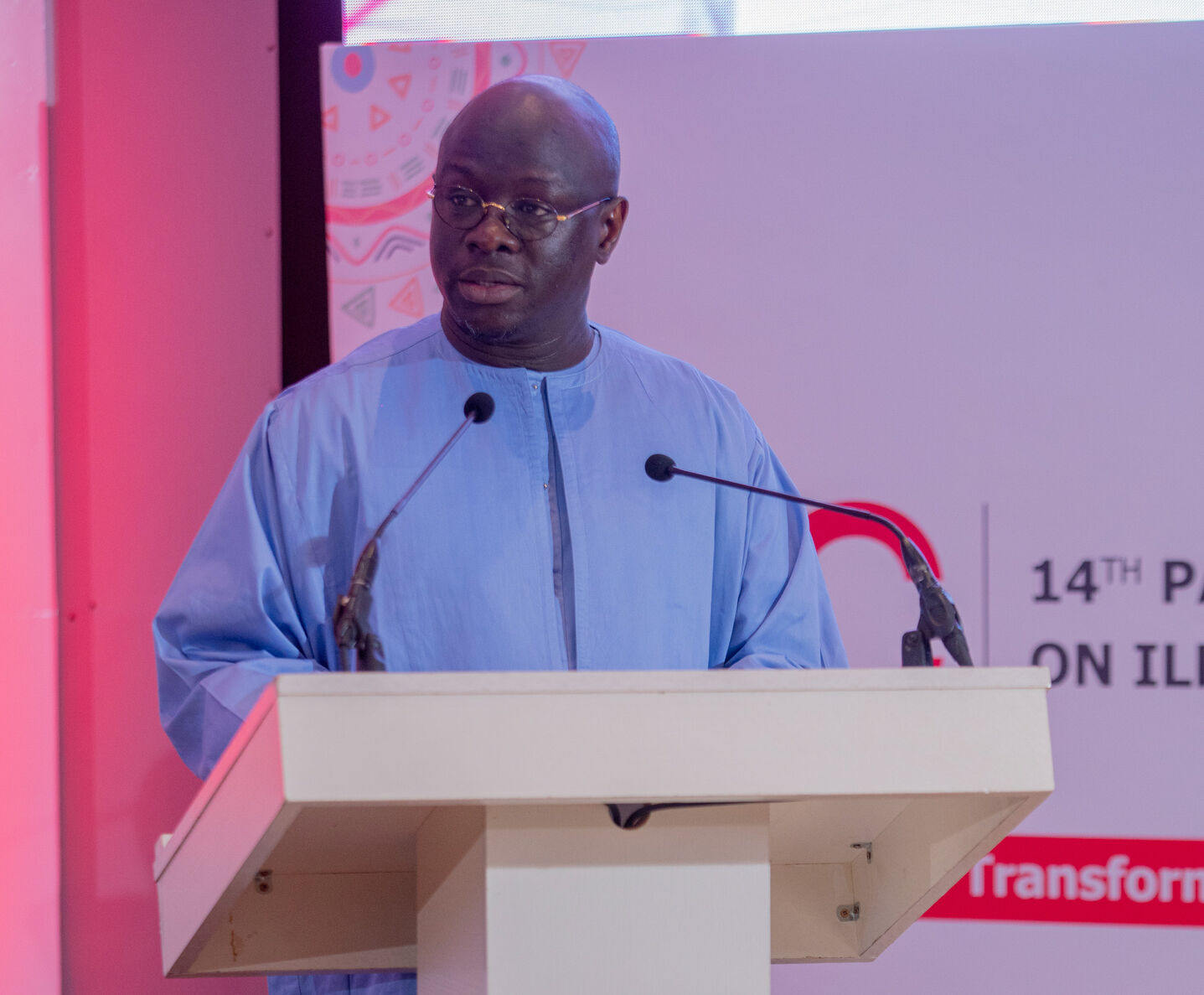
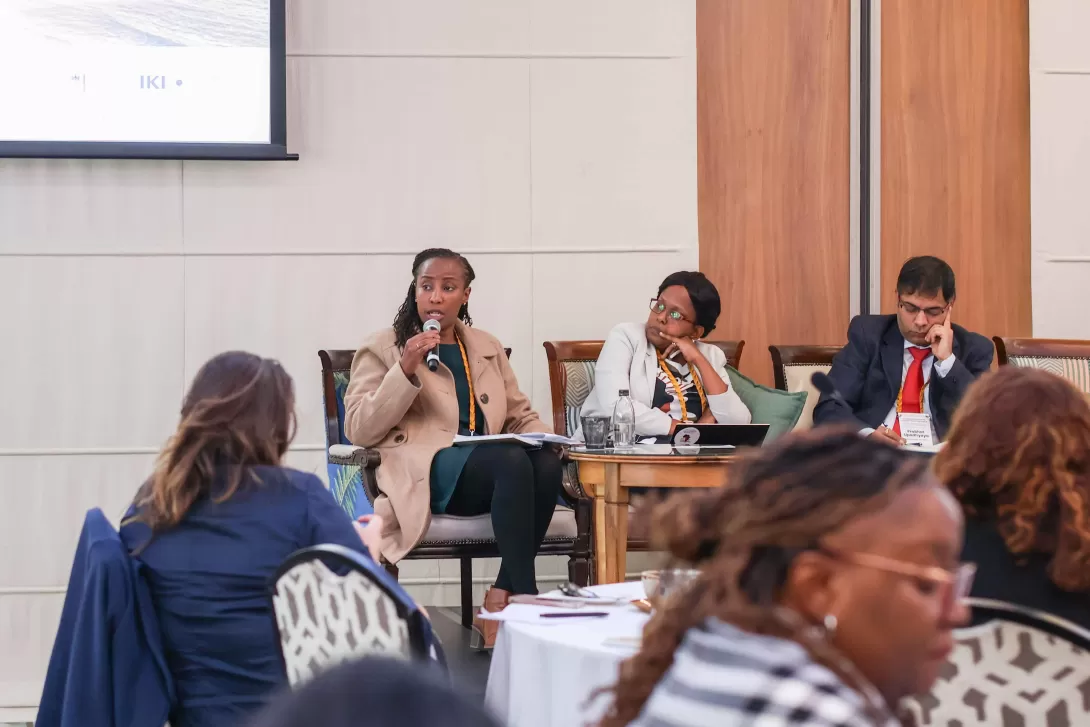
This call was made at the heart of the High-Level Technical Dialogue on Climate Finance in Africa held in Cape Town on June 3–4, 2025, where African experts and policymakers gathered to shape Africa’s stance ahead of major global climate finance milestones.
At the Dialogue, convened by SouthSouthNorth (SSN) and South Africa’s Department of Forestry, Fisheries and the Environment, TJNA stressed that climate finance for Africa cannot be effective without addressing the root challenges in how the continent mobilises resources, both domestic and international.
TJNA’s Partnerships and Institutional Learning Manager, Ms. Nelly Busingye, stated, “TJNA believes that shifting the governance of global tax rules from exclusive clubs like the OECD to the inclusive United Nations is essential for Africa’s sovereignty and development. This convention creates a level playing field where all countries, regardless of size or wealth, have an equal voice in decisions that impact how revenue is raised and shared.”
Further, she highlighted the immense potential of the United Nations Framework Convention on International Tax Cooperation as a game-changer for Africa.
Unlike the OECD, where only a select group of wealthy nations hold sway, the UN Tax Convention guarantees equal voting rights for every member state. This democratic approach can overturn colonial-era tax treaties that continue to deprive African countries of their fair share of revenues, thereby unlocking new climate finance possibilities.
With traditional official development assistance (ODA) declining and global financial uncertainty on the rise, TJNA highlighted that African countries must urgently strengthen domestic resource mobiliszation (DRM). This means curbing illicit financial flows and corporate tax abuses that cost Africa billions annually, money that could fund climate adaptation, mitigation, and just transition initiatives.
Ms. Nelly emphasised, “Africa loses about USD 40 billion each year through tax avoidance and illicit financial flows, a staggering drain on our economies and our climate ambitions. Recovering these funds and ensuring extractive industries pay their fair share is not just fiscal policy; it is climate justice.”
The Dialogue also focused on Article 2.1(c) of the Paris Agreement, which calls for aligning financial flows with low-emission, climate-resilient development. TJNA called for this provision to be operationalised in a way that reflects Africa’s context, ensuring that financing supports equitable and just transitions without increasing debt or undermining development sovereignty.
Ms. Nelly noted, “Article 2.1(c) has the potential to embed climate ambition across financial systems, but this must be done with African realities at the center. Our needs for fairness, justice, and sustainable development must guide how alignment is defined and measured.”
She further warned against unilateral tax measures such as the EU’s Carbon Border Adjustment Mechanism, which could impose disproportionate burdens on African economies if implemented without inclusive dialogue and safeguards. The UN tax convention provides the necessary platform to ensure that international tax policies related to climate action uphold the principle of common but differentiated responsibilities, holding major polluters accountable while protecting vulnerable countries.
African governments, civil society, and development partners must come together and actively engage in the ongoing UN tax negotiations and Financing for Development processes. It is important to reclaim Africa’s rightful voice in these spaces to secure tax policies and climate finance mechanisms that are transparent, fair, and grounded in the continent’s unique economic realities.
As Ms. Nelly summed it up, “Climate justice is inseparable from tax justice. For Africa to thrive in the face of the climate crisis, we must lead global efforts for a fair, democratic, and effective climate finance system that works for our people and planet.”
Africa must also strengthen its domestic institutions to effectively mobilise and manage resources, ensuring that climate finance translates into real impacts on the ground. Furthermore, there is a need for relentless advocacy demanding that developed countries meet and exceed their climate finance commitments, especially grants and concessional funding that do not add to Africa’s debt burdens.
TJNA remains committed to supporting African countries in transforming these commitments into tangible climate finance outcomes that empower the continent’s sustainable and just future.
