
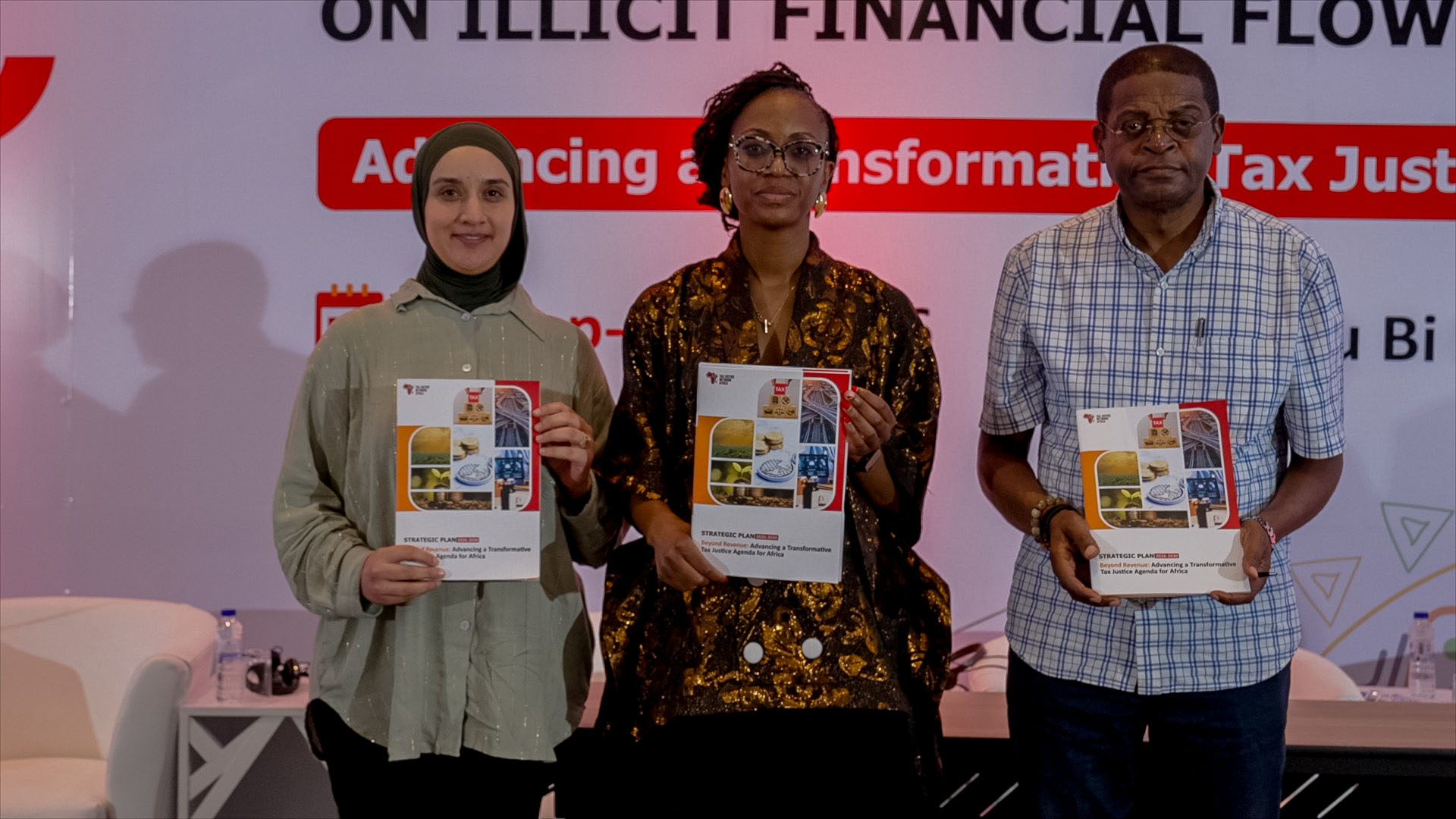
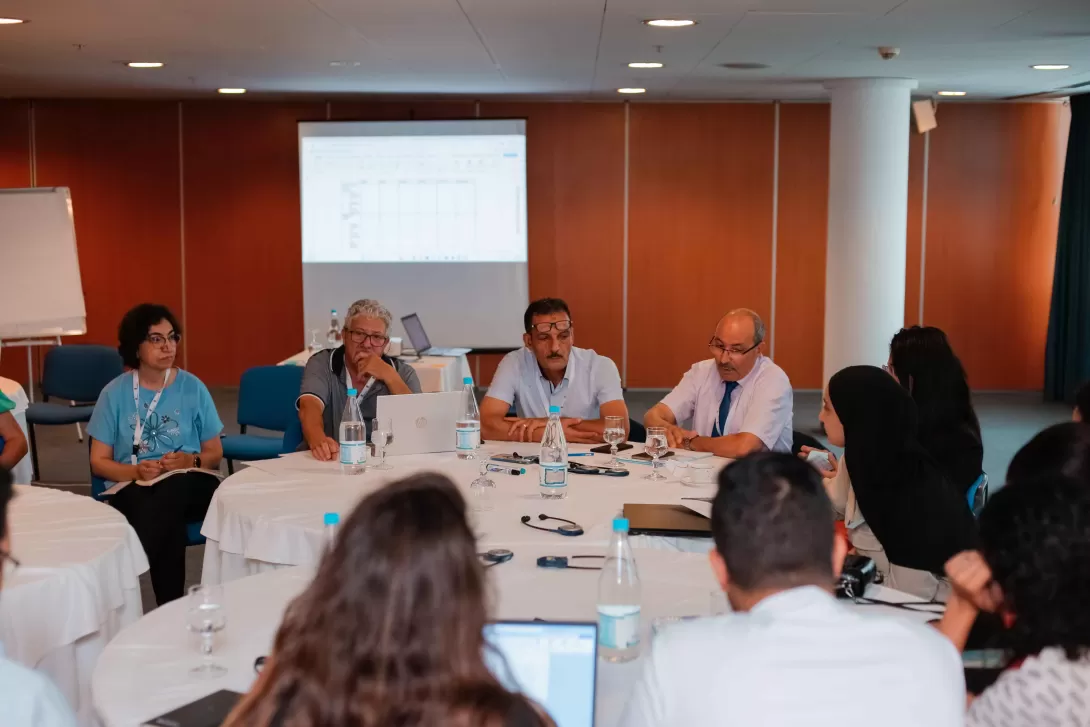
Through strategic collaboration between Tunisian Observatory of Economy (TOE) and Tax Justice Network Africa (TJNA), efforts have been made to strengthen transparency, accountability, and the fairness of the tax system in Tunisia. This collaboration has amplified both local and regional actors on a unified push for economic justice in North Africa and has ignited regional momentum to resist unfair international tax systems and reclaim the continent's right to shape its own fiscal sovereignty.
In 2021, Tunisia signed onto the OECD-led Two-Pillar Solution to address the tax challenges arising from the digitalisation of the economy,this came to be known as the "Global Tax Agreement”. This is an agreement branded as a win against tax abuse, but one that has since raised red flags among Global South economists. Rather than curbing corporate excess, the agreement risks tightening the grip of wealthy nations over international tax rules, curbing the policy space of countries like Tunisia.
An article in the Financial Times revealed that tax havens such as Ireland and the Netherlands are set to be the big winners from the global minimum tax, which will initially boost state revenues from multinationals by up to a third, according to OECD research. In a bold move by the African Group, talks about a UN Tax Convention began to take shape. TOE seized the moment and organised an advocacy event that demanded Tunisia to support the UN Tax Convention process and withdraw from the Two Pillar Solution of the OECD/G20.
The aim was to raise awareness about the critical role of tax justice in maximizing Tunisia's domestic revenue. It also sought to highlight the impact of the OECD Pillar 1 and 2, which could lead to further tax revenue losses rather than addressing tax abuse effectively. The initiative engaged the public in discussions around the UN Tax Convention as a potential solution for reforming international tax rules and establishing a global system that is democratic, inclusive, participatory, and respectful of countries' taxing rights and revenues.
Given the limited public knowledge and minimal media coverage on the positions of various countries, especially in North Africa, regarding the UN Tax Convention resolution, TOE produced three monitoring articles. These articles served as foundational resources for better understanding both of the OECD two pillar solution and the UN Tax Convention's role in global tax reform.
This conference birthed the North African Working Group on Tax Cooperation, uniting CSOs from Tunisia, Libya, Morocco, Algeria, Mauritania, and Egypt around a shared mission: advancing regional tax justice. The North African Group on Tax Cooperationis committed to calling on the leadership of African countries to demand the rebuilding of the International Tax Architecture through the UN Framework Convention on International Tax Cooperation, and to help push North African researchers and activists to carry out research and evidence-based advocacy work that informs the African continent's positions in the negotiations of the UN Tax Convention.
But this is not just about international tax reforms. Back home, TOE has been working tirelessly to build a fairer domestic tax system. Through rigorous budget analysis and public consultations, TOE exposed critical gaps in Tunisia's 2024 finance law and made bold proposals to close them.
Advocacy efforts were geared towards a more progressive tax structure, one that relieves the burden on low-income earners and shifts responsibility to the wealthiest individuals and corporations.
Tunisia's 2024 Finance Law debate was highly influenced by several of TOE's proposals that were geared towards a more progressive taxation, including an increase in Corporate Income Tax from 15% to 20% and a more progressive Personal Income Tax structure. In a move that harks back to pre-1989 policies, TOE proposed a tax schedule of 13 brackets with a top marginal rate of 68%, sparking national debate on what true fiscal equity could look like. While not all the proposals were adopted into the Finance Bill, the public voting session revealed a growing recognition among a group of parliamentarians who supported the amendments, highlighting the increasing influence of TOEs in fiscal policy discussions. Advocacy work towards ensuring a progressive tax system in Tunisia remains a work in progress, and this is a good step towards a more equitable tax system.
TOE's efforts brought together parliamentarians, auditors, media, tax professionals, and civil society in a rare show of united purpose. By placing tax justice at the heart of Tunisia's national agenda, the campaign not only informed the public but also influenced decision-makers.
This transformative work forms part of the broader "Scaling Up Tax Justice" project, implemented collaboratively between TJNA and TOE in Tunisia (with different partners in 8 other countries). As governments prepare their 2026 budgets, TOE’s work offers a compelling example of how grounded, evidence-based activism can turn the tide in favour of the people. The campaign has shown that when citizens, researchers, and policy champions join forces, fiscal justice is not just possible; it is inevitable.
As North African civil society organisations push for North African nations to speak with one voice, Tunisia stands as a beacon of what is possible when civil society organisations and other key stakeholders step up to challenge global tax injustice head-on.
TJNA is contributing to building a new Africa where tax justice prevails. Alongside leading researchers, policymakers, campaigners, media, and civil society organisations, we are mobilising a movement to comprehensively transform tax policy, challenge harmful investment practices, improve international tax transparency, and restore the sovereignty of natural resources to African countries.
Related resources:
- Integrity Watch partners with Senate -to seek knowledge on Proposed Tax Reforms
- IWL Hosts Dialogue on Domestic Revenue Mobilization
- More countries join the SCUT Project as phase 3 kicks off
For more information, please contact Ishmael Zulu at izulu[@]taxjusticeafrica.net and Maureen Oluoch at moluoch[@]taxjusticeafrica.net
