By Jephiter Tsamwi
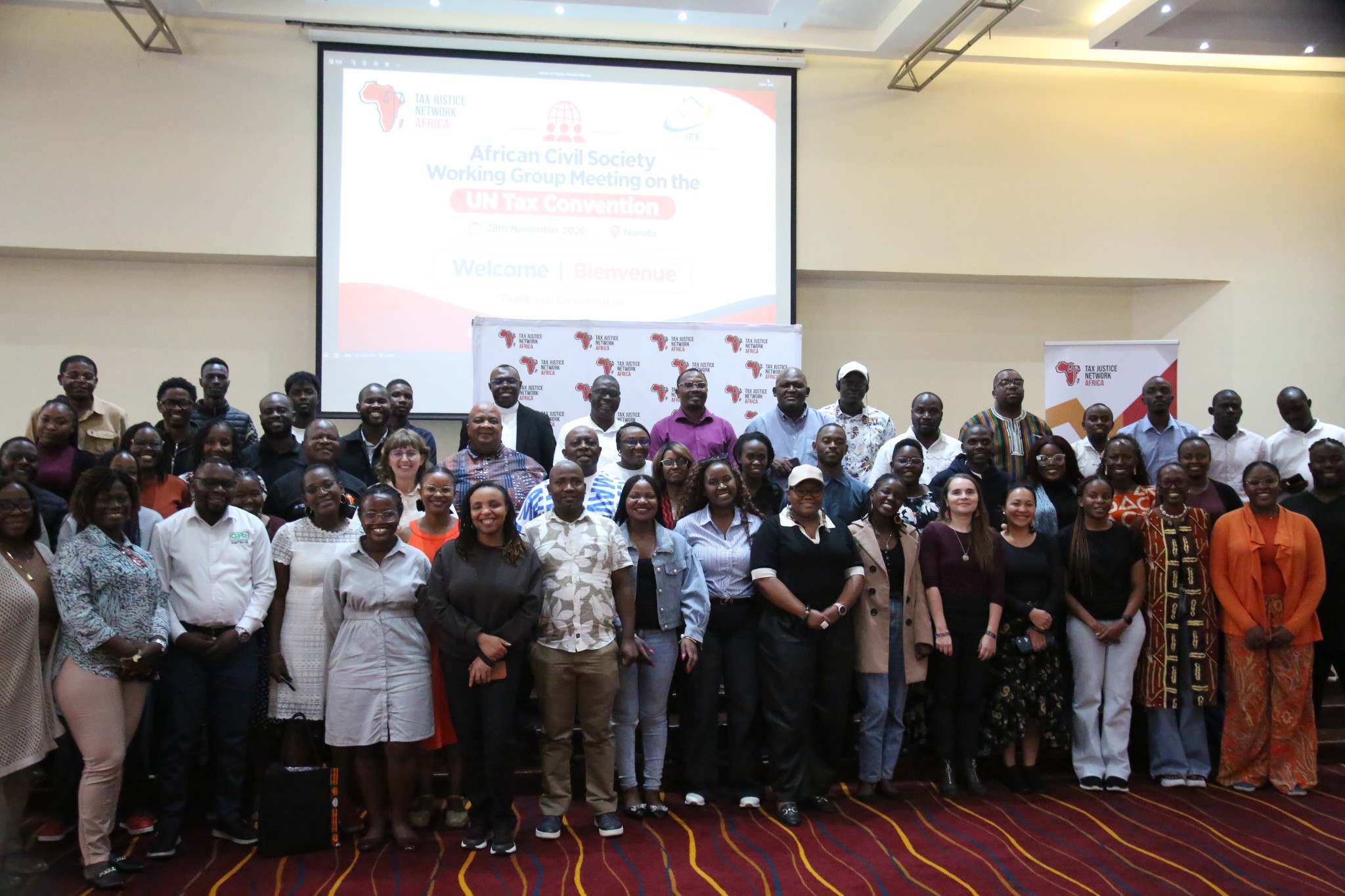
NAIROBI, Kenya, 28 November 2026 - African civil society organisations meeting in Nairobi on Saturday urged negotiators to strengthen the draft UN Tax Convention so countries can tax multinationals that earn revenue in their markets without physical presence. Two days before the negotiations open, the group warned that existing tax treaties could undermine those rights unless the convention sets out how countries will review and revise agreements that restrict them.
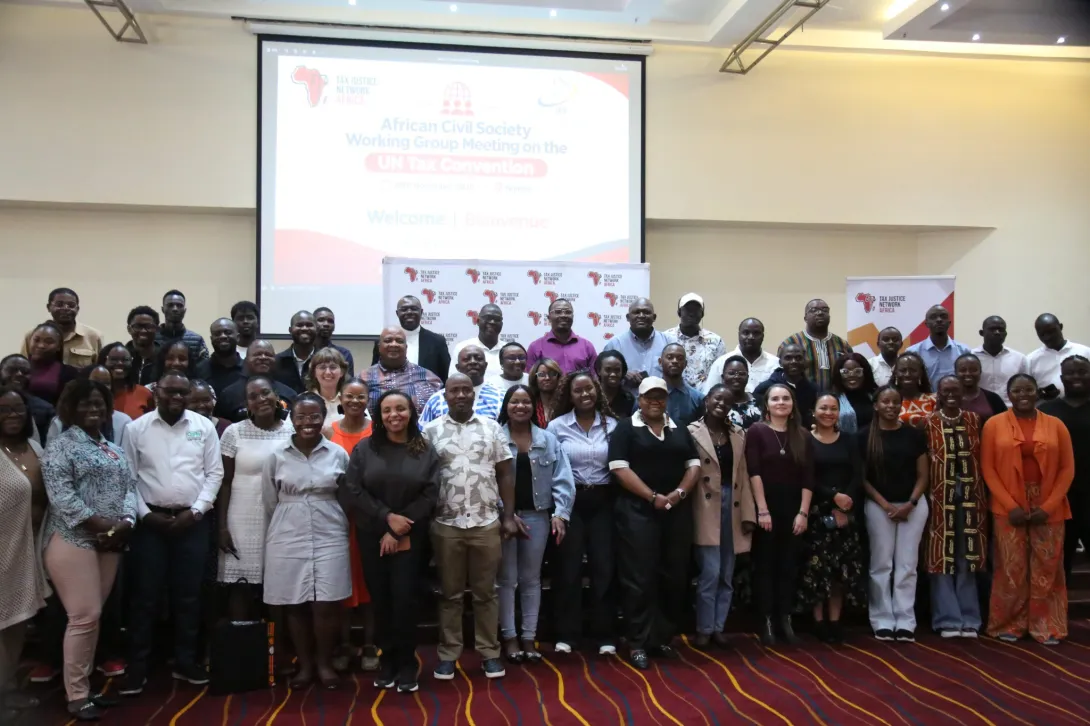
Tax Justice Network Africa (TJNA) convened the African CSOs Working Group Meeting on the UN Tax Convention ahead of the sixth round of UN tax negotiations, scheduled for 30 November to 10 December at the United Nations Office at Nairobi. The talks will focus on the draft framework convention and the proposed protocol on preventing and resolving cross-border tax disputes.
TJNA Executive Director Chenai Mukumba urged organisations to take shared priorities into their discussions with national delegations. She said African negotiators led the push for a more inclusive international tax system and that civil society helped build support for the process.
“What we really want to do is agree collectively on what it is that we want to champion over the next two weeks,” Mukumba said. She said closer coordination would help organisations carry consistent messages into meetings with negotiators from their respective countries.
Making fairer taxing rights enforceable
Article 5 of the November draft was a key focus of the meeting. The provision sets out principles for determining which countries have the right to tax cross-border economic activity. It recognises factors such as where a company has users, earns revenue or creates value, including in countries where it has no physical presence.
“Our biggest concern with Article 5 is that there’s no implementation mechanism,” said Everlyn Muendo, TJNA’s Senior Policy Officer for Tax and International Financial Architecture. She said civil society had proposed giving the Conference of Parties, the convention’s governing body, a mandate to review whether countries are honouring their commitments on the fair allocation of taxing rights.
Muendo also called for stronger cooperation on Muendo also called for stronger cooperation on high-net-worth individuals (HNWI). She said the draft focuses on detecting and preventing tax avoidance and evasion, leaving room for clearer commitments on effective taxation and sharing information about who ultimately owns assets. On the exchange of tax information, she welcomed the possibility of sharing transaction and trade data but said requirements to provide equivalent information in return could still limit participation by tax authorities with fewer resources.
The discussion also covered common definitions of illicit financial flows and harmful tax practices, as well as how to fund the convention’s work. Muendo called for clear financial commitments from member countries so the convention’s institutions and support for developing countries would have a reliable source of funding.
What happens to existing tax treaties?
The debate on Article 21 examined what would happen if an existing bilateral tax treaty restricted a country’s ability to exercise taxing rights recognised under the new convention.
Mary Ongore, an international law expert, outlined three approaches to managing the relationship between the UN tax convention and existing tax treaties. Countries could give the convention precedence where rules conflict, use a single multilateral agreement to amend several treaties, or apply existing treaties alongside the convention.
Drawing on experience with previous multilateral agreements, Ongore said allowing countries to choose which provisions apply can create “flexibility at the expense of uniformity”. A single agreement could amend several treaties at once, she explained, but its reach would depend on which treaties and provisions both partners agree to cover.
Giving the convention precedence, she said, could spare countries from renegotiating treaties one by one and reduce the effect of unequal bargaining power. It could also make some governments less willing to ratify the convention. The third approach would allow countries to keep their existing treaties and apply them alongside the new rules.
Another legal expert, Chérif Worou, said the wording of Article 21 could leave existing treaties taking precedence. He questioned whether asking countries to strive to align those agreements would produce changes in practice.
“Making efforts to try and align does not guarantee the results,” Worou said. He proposed making clear when the convention should prevail and giving the Conference of Parties a role in reviewing existing treaties for conflicts with the new rules.
The question of what powers to give the Conference of Parties also featured in a discussion led by Ruth Wamuyu, TJNA’s Policy, Research and Advocacy Manager and Macharia Kaguru. Participants explored whether the body should be able to adopt binding rules on implementation and how countries could review one another’s progress. They also discussed a compliance committee that could help countries identify gaps and develop plans to meet their obligations.
African civil society’s priorities for the Nairobi talks
African civil society organisations discussed how to speak with one voice in Nairobi and support the Africa Group’s push for fairer international tax rules. They called for African and other Global South countries to have a stronger role in setting the agenda and making decisions on rules that affect their ability to tax income earned in their economies.
At the centre of their agenda is Article 5. The organisations backed stronger rights for countries to tax income generated by economic activity in their markets, including when companies have no physical presence there. These provisions should be accompanied by clear implementation mechanisms moving away from a purely principle setting Article. They also called for binding provisions to put those rights into practice and discussed using Article 21 to provide a way to renegotiate existing bilateral treaties that may restrict domestic implementation of new taxing rights under Article 5.
Participants called for stronger governance under the convention. They discussed giving the Conference of the Parties the authority to adopt binding rules on implementation and review how countries are meeting their commitments.
The organisations further called for common definitions of illicit financial flows, harmful tax practices and high-net-worth individuals so countries can apply the rules consistently. They also backed stronger cooperation to tax very wealthy individuals, stronger provisions under Article 7 to curb illicit financial flows, and better access to tax information so authorities can detect abuse and enforce their laws.
The working group discussed taking these priorities into formal interventions and meetings with national delegations throughout the Nairobi round.
